Mobile Car Detailing Tips & Info

How Often Should You Book Car Detailing in Chatsworth?

Published June 3rd, 2026 by Armando King Mobile Detailing

Most car owners think detailing is cosmetic. Something you do before a sale or when the seats start smelling like last month's takeout. But it's not maintenance—until it is. Dirt isn't just unsightly. UV damage doesn't wait for you to notice. And by the time oxidation shows up on your paint, you're already paying for neglect.

How Often Should You Book Car Detailing in Chatsworth?

So here's the reality. If you're driving through Chatsworth's heat, dust, and sun year-round, your car is absorbing punishment daily. Every parking spot under a tree. Every commute through construction zones. Every afternoon baking in the Valley sun. That adds up fast, and skipping regular car detailing means you're letting small problems turn expensive.

What Detailing Actually Does

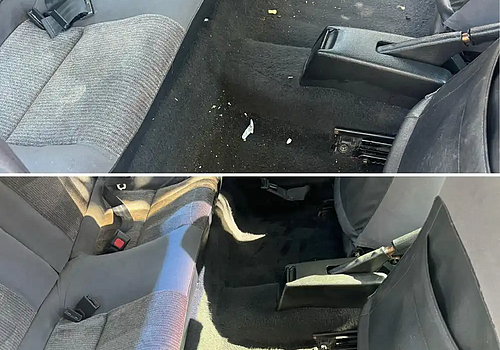
Detailing goes deeper than a drive-through wash. It's restoration and protection rolled into one service. Exterior work strips contaminants, polishes the clear coat, and seals the paint. Interior work pulls grime from upholstery, sanitizes surfaces, and treats leather or vinyl so it doesn't crack under constant heat exposure.

Some shops throw in engine bay cleaning or headlight restoration. Others focus on ceramic coatings or paint correction. The scope varies, but the goal stays the same—preserve what you've got before wear becomes irreversible.

The Elements Working Against You

Chatsworth isn't gentle on vehicles. The climate alone is a problem. Summers hit hard with relentless UV rays that fade interiors and oxidize paint. Dust settles everywhere, especially if you're near open land or construction. Pollen coats windshields in spring. Tree sap bonds to hoods if you park in the shade.

Then there's how you use the car. Daily drivers rack up exposure faster than weekend vehicles. If you park outside, your paint takes a beating. If you haul kids, pets, or work gear, the interior suffers. And if you're commuting through heavy traffic or dirt roads, contaminants pile up whether you see them or not.

How Often Makes Sense

For most drivers in Chatsworth, full detailing every three to four months hits the sweet spot. That's roughly four times a year—enough to stay ahead of damage without overkill. It keeps your clear coat protected, your interior fresh, and your resale value intact.

But some situations call for tighter intervals. Here's when you should consider more frequent service:

  • You park outdoors daily and the sun never stops hitting your paint
  • You drive rideshare or transport clients and need a spotless cabin
  • You haul pets regularly and hair or odors become an issue
  • You live near dusty areas or frequently drive unpaved roads
  • Your vehicle has custom paint, wraps, or specialty finishes that demand extra care

When Waiting Costs More

Skip detailing long enough and minor issues become permanent. Bird droppings etch through clear coat in days if left untreated. Tree sap hardens and requires paint correction to remove. Interior stains set in and won't lift with standard cleaning. Leather cracks when it's not conditioned.

We've seen cars come in after a year of neglect, and the damage requires correction services that cost double what regular maintenance would have. Oxidation doesn't reverse with soap and water. Faded dashboards don't magically restore. And once your headlights yellow past a certain point, you're replacing them—not buffing them.

Why Regular Service Pays Off

Booking detailing on a schedule isn't about vanity. It's about protecting what you paid for and keeping your car functional longer. Clean paint resists rust. Sealed surfaces repel contaminants. Conditioned leather stays supple instead of cracking.

Here's what consistent detailing gets you:

  • Higher resale value when you're ready to sell or trade in
  • Interior air quality that doesn't trigger allergies or smell like mildew
  • Paint that holds its gloss instead of fading to chalky dullness
  • Upholstery that resists stains and wear patterns
  • A driving experience that feels new instead of neglected

Professional Work Versus DIY Shortcuts

You can wash your car at home. You can vacuum the seats and wipe down the dash. But professional detailing uses commercial-grade products, extraction tools, and techniques that home setups can't replicate. Clay bars pull embedded contaminants. Dual-action polishers correct paint safely. Steam cleaners sanitize without soaking upholstery.

Chatsworth has plenty of detailers who know the local conditions and what vehicles need here. They'll spot issues you'd miss—swirl marks forming, trim oxidizing, leather drying out. And they'll address them before you're looking at a repair bill.

Adjusting for Your Situation

Not every car needs the same schedule. A garage-kept weekend cruiser can stretch six months between details. A daily driver parked under the sun needs attention every eight weeks. A work truck hauling equipment might need interior-only service monthly and full exterior quarterly.

Take stock of these factors:

  • Where you park—covered or exposed
  • How many miles you log weekly
  • What you haul or who rides along
  • Whether your paint has protective coating already applied
  • Your standards for how the car should look and feel

Timing Around the Calendar

Certain times of year hit harder than others. Summer in Chatsworth means peak UV exposure and dust storms. Spring brings pollen that clings to everything. Fall drops leaves and sap if you're near trees. Winter is mild here, but rain still kicks up road grime.

Scheduling detailing after each season shift makes sense. That way, you're cleaning off damage before it sets and prepping surfaces for what's next. Post-summer detailing removes months of sun exposure. Pre-summer prep applies protective coatings before heat ramps up.

Car detailing frequency recommendations for Chatsworth drivers

What to Expect from a Full Detail

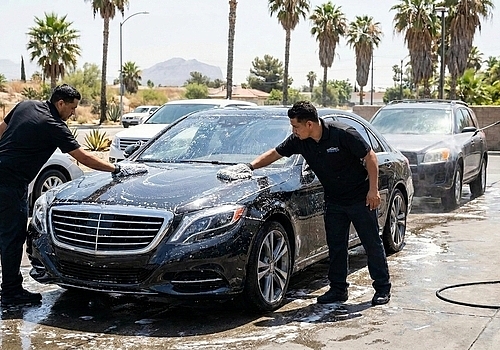
A proper detailing session isn't a 20-minute spray-and-wipe. Expect a few hours minimum if the shop is thorough. Exterior work includes hand washing, clay bar treatment, polishing, and sealant or wax application. Interior work covers vacuuming, shampooing, surface cleaning, and conditioning.

Ask what's included before you book. Some packages cover engine bays. Others add ceramic coatings or paint correction for an upcharge. Make sure the service matches what your car actually needs—not just what sounds impressive on a menu.

Red Flags That You've Waited Too Long

Your car will tell you when it's overdue for detailing. Paint that feels rough to the touch means contaminants have bonded to the surface. Seats that smell musty even after airing out indicate trapped bacteria or mildew. Dashboards that look hazy or cracked show UV damage that's gone unchecked.

Other warning signs include:

  • Water no longer beads on the paint
  • Stains on upholstery that won't lift with basic cleaning
  • Trim pieces fading from black to gray
  • Headlights so yellow they reduce nighttime visibility
  • Windows that streak no matter how much you wipe them

Choosing the Right Detailer

Not all detailing services deliver the same results. Some rush through to hit volume. Others specialize in high-end correction work. Look for shops with strong reviews, clear pricing, and techs who know the difference between a quick wash and real restoration.

Ask about the products they use. Quality matters—cheap waxes don't last, and harsh chemicals can damage surfaces. A good detailer will walk you through what your car needs and explain why, not just upsell you on add-ons that don't apply.

Keeping It Clean Between Sessions

Regular detailing doesn't mean you ignore your car the rest of the time. Quick maintenance between appointments extends the work and keeps your vehicle looking sharp. Rinse off bird droppings immediately. Wipe down the interior weekly. Use a spray detailer to remove light dust without scratching.

These small steps prevent buildup and make the next full detail easier. You're not fighting months of neglect—you're refreshing surfaces that were already in good shape.

What It Means for Resale

When it's time to sell or trade in, detailing history shows. A well-maintained car commands higher offers because buyers see proof of care. Clean paint, spotless interiors, and preserved trim signal that the mechanical side probably received the same attention.

We've watched clients recover hundreds—sometimes thousands—more on resale simply because their cars looked and felt newer than comparable models. That's the long-term return on keeping up with detailing.

Staying Ahead Instead of Catching Up

Detailing on a schedule isn't about perfection. It's about preventing the slow creep of damage that turns your car from sharp to shabby. Chatsworth's conditions don't give you much margin—the sun, dust, and heat work against you daily. But regular service keeps you ahead of it.

Three to four months is the baseline for most drivers. Tighten that interval if your car sees heavy use or constant sun exposure. Stretch it slightly if you garage park and drive sparingly. Just don't wait until the damage is visible. By then, you're paying for correction instead of prevention—and that's a bill nobody wants.

Ready to protect your investment? Book your appointment today and keep your vehicle in top condition with professional wash and wax services.

Let’s Keep Your Car Looking Its Best

We know how much your car means to you, and regular detailing is the key to keeping it looking sharp and feeling fresh no matter what Chatsworth throws your way. If you’re ready to give your car the care it deserves, let’s make it happen together. Call us at 661-699-3263 or book an appointment and we’ll help you stay ahead of the wear and tear.

‹ Back